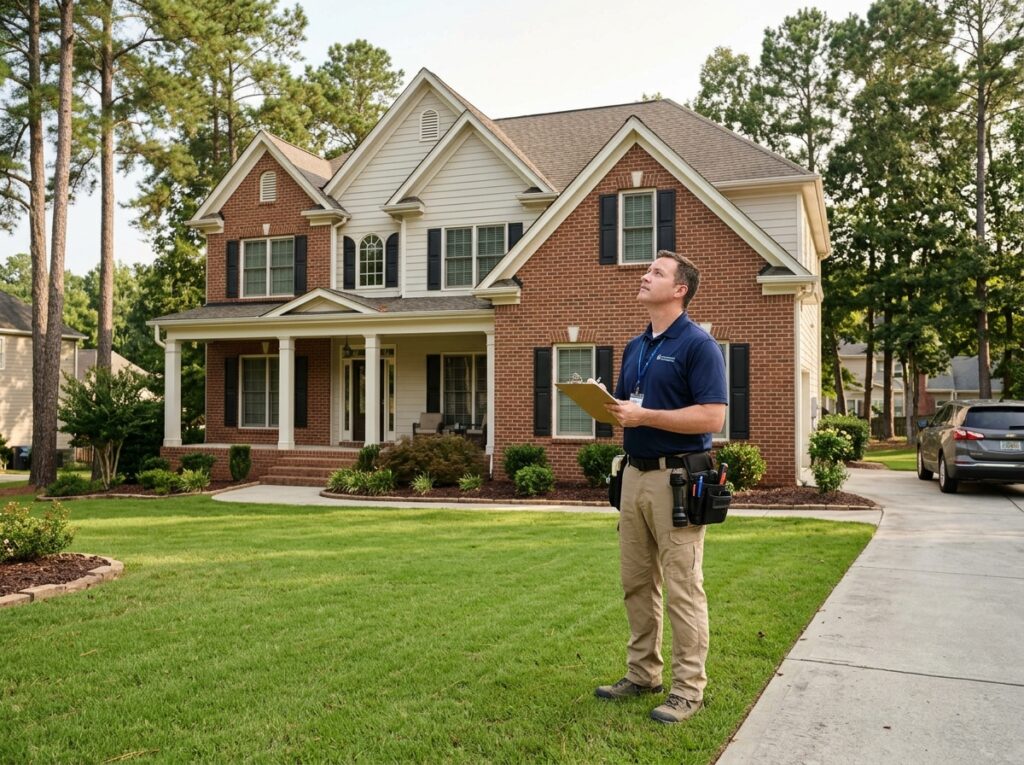
Buying a home is one of the biggest financial decisions you may make. A property might look beautiful during a showing, but its appearance does not always reveal the condition of its roof, foundation, plumbing, electrical system, or heating and cooling equipment. That is why a professional home inspection is an important step before completing a real estate transaction.
A home inspection helps buyers understand the visible condition of a property’s major systems and components. It can identify concerns that may require repairs, maintenance, monitoring, or further evaluation. The findings can also help you prepare questions for the seller, plan your budget, and make a more informed decision.
If you are purchasing a property in Stockbridge, GA, knowing what to look for during an inspection can make the process less overwhelming. From the roof and foundation to the attic and interior rooms, each area provides useful information about the home’s condition.
This guide explains the key things to check, common warning signs, additional inspection options, and how QA Home Inspections can help you understand a property’s condition before you move forward.
Why Is a Home Inspection Important?
A home inspection is a visual review of a property’s accessible systems and components. The inspector observes their condition, documents visible concerns, and provides a report explaining the findings.
An inspection is not a guarantee that a home is free from defects. It also does not mean every component will be dismantled or tested beyond the inspection’s defined scope. Instead, it gives buyers a clearer picture of the property based on what can be reasonably observed at the time.
A professional inspection can help you:
- Identify visible defects before closing.
- Understand the condition of major home systems.
- Recognize possible water intrusion or moisture concerns.
- Plan for repairs and future maintenance.
- Ask the seller informed questions.
- Determine whether specialist evaluations may be necessary.
For buyers searching for home inspection services in Stockbridge, the goal is to receive clear information rather than simply a checklist of problems. A useful report should explain what was observed, why it matters, and what next steps may be appropriate.
10 Important Things to Look for During a Home Inspection
A general home inspection usually covers several accessible areas of a property. The exact scope depends on the inspection agreement, applicable standards, property design, and access available on the inspection day.
Here are ten important areas buyers should understand.
1. Roof Condition
The roof protects the property from rain, wind, and other outdoor elements. Roof problems can lead to water intrusion, damaged insulation, interior stains, and costly repairs if left unaddressed.
During a roof inspection, the inspector may look for:
- Missing, damaged, or curling shingles.
- Visible deterioration around roof edges.
- Damaged or loose flashing.
- Signs of previous repairs.
- Visible sagging or irregular roof areas.
- Possible water entry indicators.
The attic may also provide clues about roof performance, including staining, moisture, ventilation concerns, and visible damage.
A roof inspection does not necessarily determine the remaining lifespan of the roofing material. If significant concerns are found, a qualified roofing contractor may need to evaluate the roof further.
2. Foundation and Structural Components
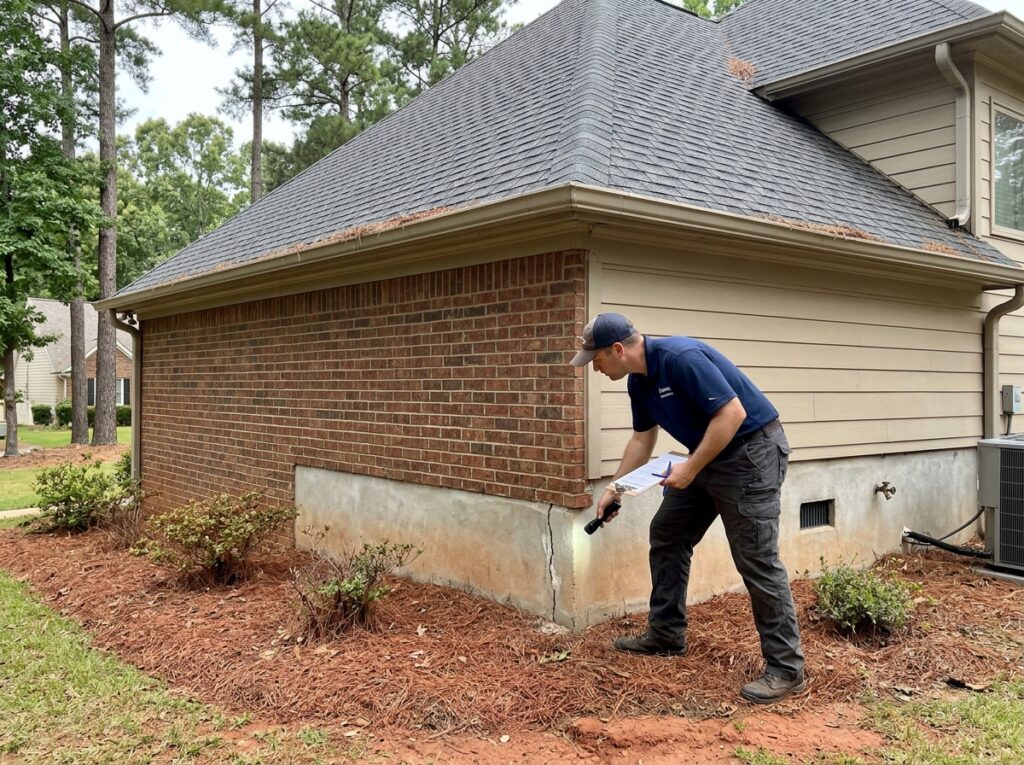
The foundation supports the home and helps distribute its weight. Structural concerns can affect the property’s stability and may require professional evaluation.
An inspector may look for visible signs such as:
- Large or unusual cracks in foundation walls.
- Uneven or sloping floors.
- Doors and windows that do not operate properly.
- Noticeable wall separation or movement.
- Signs of water entering basement or crawlspace areas.
- Visible deterioration in accessible structural components.
Not every crack indicates a serious structural problem. Some may be related to normal material movement, while others may require further investigation.
In Stockbridge, as with any location, the property’s soil conditions, drainage, age, construction, and maintenance history can influence what an inspector observes. A structural engineer may be recommended if the inspection reveals concerns beyond the inspector’s scope.
3. Electrical System
Electrical problems can create safety risks and should be taken seriously. A home inspection may include a visual review of accessible electrical components and basic operation of certain fixtures or devices.
Important items may include:
- Electrical panel condition.
- Visible wiring concerns.
- Improperly installed or damaged outlets.
- Missing outlet or switch covers.
- Signs of overheating or scorching.
- Accessible smoke and carbon monoxide alarms.
The inspector may also note visible issues involving grounding, circuit protection, or electrical components.
A standard inspection is not the same as a complete electrical system evaluation. If there are signs of unsafe wiring, unusual panel conditions, or other significant concerns, a licensed electrician may need to investigate.
4. Plumbing System
Plumbing problems can lead to leaks, water damage, mold growth, and expensive repairs. Checking the accessible plumbing components helps buyers understand the system’s visible condition.
Look for:
- Leaking faucets and visible pipe connections.
- Slow-draining sinks and tubs.
- Water stains below plumbing fixtures.
- Signs of corrosion on exposed pipes.
- Damaged or loose toilets.
- Inconsistent water flow.
- Visible drainage concerns.
Inspectors may operate accessible fixtures and observe visible plumbing components where conditions allow. However, hidden pipes, underground lines, and inaccessible areas are generally outside a standard visual inspection.
If a leak or drainage issue is suspected, a licensed plumbing professional may be needed for further testing.
5. Heating, Ventilation, and Air Conditioning
The HVAC system helps maintain indoor comfort throughout the year. Buyers should understand whether the accessible heating and cooling equipment appears to operate normally during the inspection.
An inspector may review:
- Heating and cooling equipment.
- Thermostat operation.
- Accessible air filters.
- Visible ductwork.
- Condensate drainage.
- Unusual equipment sounds.
- Visible signs of leakage or damage.
The inspection may identify maintenance concerns or signs that a system needs professional attention. However, it is not necessarily a complete performance test or a prediction of the equipment’s remaining service life.
If the system does not operate properly or has visible defects, an HVAC contractor may need to conduct a more detailed evaluation.
6. Attic, Insulation, and Ventilation
The attic can reveal important information about moisture, ventilation, insulation, and roof conditions. Since many attic areas are not used regularly, problems may go unnoticed by homeowners.
Depending on accessibility, an inspector may look for:
- Visible roof leaks or water stains.
- Damaged or displaced insulation.
- Inadequate or blocked ventilation.
- Signs of pest activity.
- Visible structural concerns.
- Moisture-related deterioration.
Poor ventilation and moisture accumulation can contribute to building material deterioration and indoor air quality concerns. If the inspector identifies suspicious growth or persistent moisture, further assessment may be appropriate.
7. Windows and Doors
Windows and doors affect security, ventilation, comfort, and energy efficiency. Their visible condition can also provide clues about moisture problems or structural movement.
Check for:
- Cracked or damaged glass.
- Difficulty opening or closing windows.
- Loose handles, hinges, or locks.
- Damaged weatherstripping.
- Visible water staining around frames.
- Signs of air or water leakage.
Not every window needs to be replaced simply because it is older. The important factors include its condition, operation, visible damage, and any signs of moisture intrusion.
8. Interior Walls, Ceilings, and Floors
Interior surfaces can reveal problems that may not be obvious during a quick property viewing.
An inspector may observe:
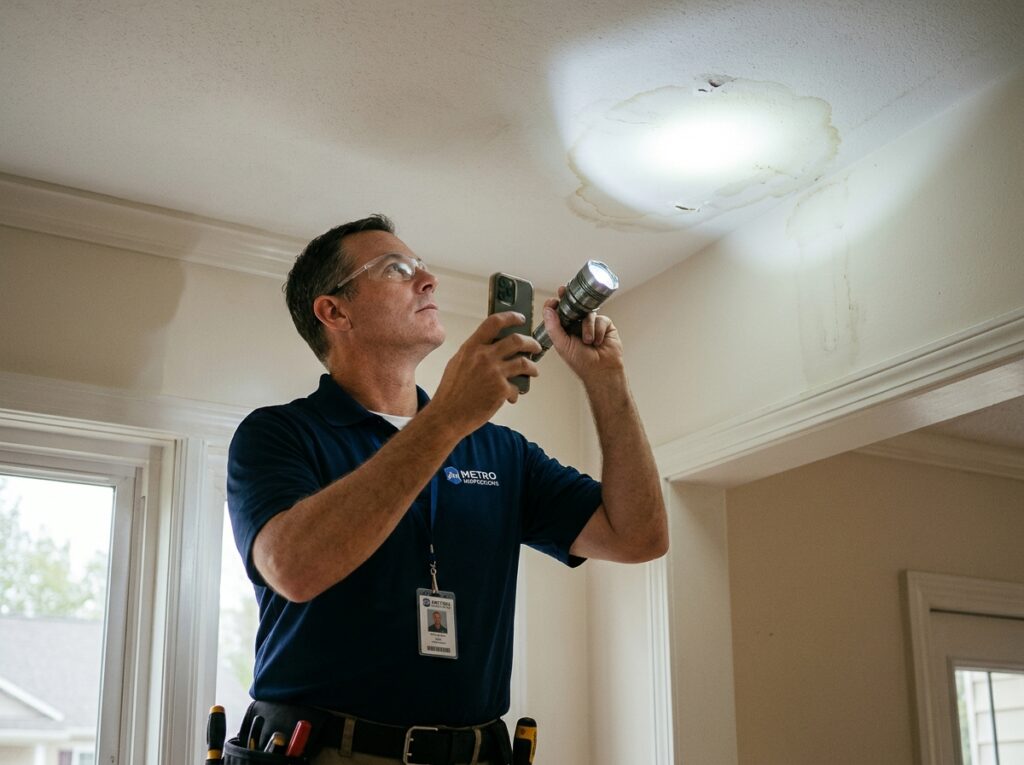
- Ceiling stains or discoloration.
- Cracks in walls and ceilings.
- Uneven or damaged flooring.
- Loose tiles or floor coverings.
- Visible signs of previous water damage.
- Doors that bind or fail to close properly.
Water stains deserve particular attention. Even if a surface appears dry, the underlying source may need investigation. Ask whether the issue appears active, whether there are signs of previous repairs, and whether further evaluation is recommended.
9. Exterior Walls, Drainage, and Grading
The exterior condition of a property is just as important as its interior. Poor drainage can direct water toward the foundation and contribute to moisture problems.
Important areas include:
- Siding, brick, stucco, or other exterior finishes.
- Visible cracks or damaged materials.
- Gutters and downspouts.
- Soil grading around the house.
- Walkways and driveways.
- Porches, decks, and steps.
- Visible areas around exterior openings.
Pay particular attention to how water is directed away from the home. Damaged gutters, blocked downspouts, or improper grading may contribute to water accumulation near the foundation.
10. Garage and Safety Features
The garage may contain electrical components, doors, steps, and other features that deserve attention.
A home inspector may review visible garage conditions, including:
- Garage door operation.
- Visible damage to the door or tracks.
- Accessible electrical outlets.
- Steps and handrails.
- Visible structural concerns.
- Applicable safety features within the inspection scope.
The inspector may also observe smoke alarms, carbon monoxide alarms, and other visible safety-related components. Buyers should ask about any missing or malfunctioning devices and follow applicable safety recommendations.
Warning Signs You Should Never Ignore
An inspection report may include minor maintenance items as well as concerns that deserve prompt attention. Not every finding means you should walk away from a property, but certain conditions should lead to additional questions or specialist evaluations.
Watch for these warning signs:
- Repeated water stains: Multiple stains or signs of previous leaks may indicate unresolved moisture problems.
- Significant foundation cracks: Large, displaced, or changing cracks may require a structural evaluation.
- Electrical damage: Scorch marks, damaged wiring, or signs of overheating should be assessed by a qualified electrician.
- Roof deterioration: Missing shingles, damaged flashing, or visible sagging may indicate repair needs.
- Persistent musty odors: These may justify investigating moisture sources and possible microbial growth.
- Poor drainage: Water collecting near the foundation can contribute to moisture intrusion.
- Unusual HVAC operation: Strange noises, poor operation, or visible leakage may require specialist attention.
Ask the inspector to explain the severity of each finding and whether it requires immediate attention, routine maintenance, or further evaluation. This helps you prioritize issues instead of treating every observation as equally serious.
Additional Inspections to Consider Before Buying
A general home inspection provides a broad overview, but certain properties or concerns may call for specialized services. These additional evaluations are not automatically included in every standard inspection, so buyers should confirm what is covered.
Termite Home Inspection
Wood-destroying insects can damage structural and other wood components. A termite or wood-destroying organism inspection focuses on evidence of activity, visible damage, and conditions that may encourage infestation.
Ask whether a separate termite inspection or report is needed for the property and your transaction.
Radon Testing Services
Radon is a naturally occurring radioactive gas that can enter buildings through openings in foundations and other pathways. It cannot be reliably identified by sight or smell.
Radon testing services use appropriate testing equipment to measure indoor radon levels. Testing is a separate service from a general visual home inspection and can help determine whether further action is needed.
Mold Home Inspection
A mold-related inspection may focus on visible growth, moisture sources, water-damaged materials, ventilation, and other conditions associated with indoor moisture.
A visual inspection cannot identify every hidden area of mold or determine the type of growth. Sampling and laboratory analysis, when appropriate, are separate procedures that should be discussed with a qualified professional.
4-Point Home Inspection
A 4 Points Home Inspection focuses on four major systems: the roof, electrical system, plumbing system, and HVAC system.
This type of inspection is narrower than a full general home inspection. It may be requested for specific insurance or property documentation purposes, depending on the requirements of the insurer or requesting organization.
Roof Inspection
A focused roof inspection may be useful when the roof is older, has visible damage, or needs a more detailed assessment. A roofing contractor may be needed to evaluate conditions beyond the scope of a general home inspection.
What Should You Look for in a New Construction Home Inspection?
A newly built property may look perfect, but new construction does not guarantee that every component has been installed correctly. Workmanship issues, incomplete details, and installation defects can still occur.
A new construction home inspection helps buyers review accessible systems and visible components before accepting the property.
Consider arranging inspections at appropriate stages of construction, when access and the builder’s schedule allow.
Before the Walls Are Closed
An early inspection may help identify visible concerns involving framing, plumbing, electrical installations, and other components before they become concealed by finished walls.
Before Final Walkthrough
A pre-completion inspection can help identify visible issues with roofing, drainage, windows, doors, fixtures, flooring, finishes, and installed systems.
Before Final Acceptance
A final review can document incomplete work, visible defects, and items that may need correction. Buyers should discuss the builder’s procedures for addressing findings and documenting completed repairs.
New home inspections and new home inspection appointments can provide useful information even when a property has never been occupied. The inspection should complement, not replace, required municipal inspections, permits, or the builder’s quality-control process.
Pre-Home Inspection vs. Pre-Listing Home Inspection
The timing and purpose of an inspection can vary depending on whether you are buying or selling a property.
Pre-Home Inspection
A Pre Home Inspection, commonly understood as a pre-purchase inspection, helps buyers review the property’s visible condition before closing.
It can help you identify repair needs, understand maintenance concerns, prepare questions, and decide whether further evaluations are necessary.
Pre-Listing Home Inspection
A Pre Listing Home Inspection is arranged by a seller before putting a property on the market.
It can help identify visible concerns early, allowing the seller to consider repairs, gather documentation, and prepare for questions from potential buyers. It does not replace the seller’s disclosure obligations or guarantee that a buyer’s inspection will find nothing else.
Both approaches can help make property transactions more informed, although neither removes the need to review the actual inspection findings carefully.
How to Prepare for Your Home Inspection
Buyers can get more value from an inspection by preparing questions and attending when permitted.
Here are a few practical steps:
- Review the property details: Note the age of the home, visible renovations, and any concerns you noticed during showings.
- Prepare questions: Ask about roof condition, moisture signs, major systems, and areas that may need specialist evaluation.
- Attend the inspection if possible: Seeing the findings in person can make the explanations easier to understand.
- Avoid rushing the process: Allow enough time for the inspector to review accessible areas.
- Read the complete report: Review photographs, observations, limitations, and recommendations.
- Follow up on major concerns: Arrange specialist evaluations when the report recommends them.
A good general home inspection is not just about finding defects. It is also about understanding how the property is maintained and what responsibilities may come with owning it.
Choosing Home Inspection Companies in Stockbridge, GA
Choosing an inspector is an important part of the buying process. If you are comparing home inspection companies near me, look for a provider that communicates clearly, explains the inspection scope, and delivers a useful written report.
Before scheduling, consider asking:
- What areas and systems are included in the inspection?
- Are additional services such as termite inspections or radon testing available?
- Will the report include photographs and explanations?
- Can I attend the inspection and ask questions?
- What limitations or inaccessible areas should I know about?
- How are significant concerns and recommended follow-ups explained?
QA Home Inspections, also known as Quality Assurance Home Inspections LLC, provides residential and commercial inspections, pre-home and pre-listing inspections, new construction inspections, roof inspections, mold inspections, radon testing, termite inspections, and 4-point inspections in Stockbridge and nearby Georgia communities. Its website also describes a reporting process that includes clear findings, photographs where appropriate, and practical notes.
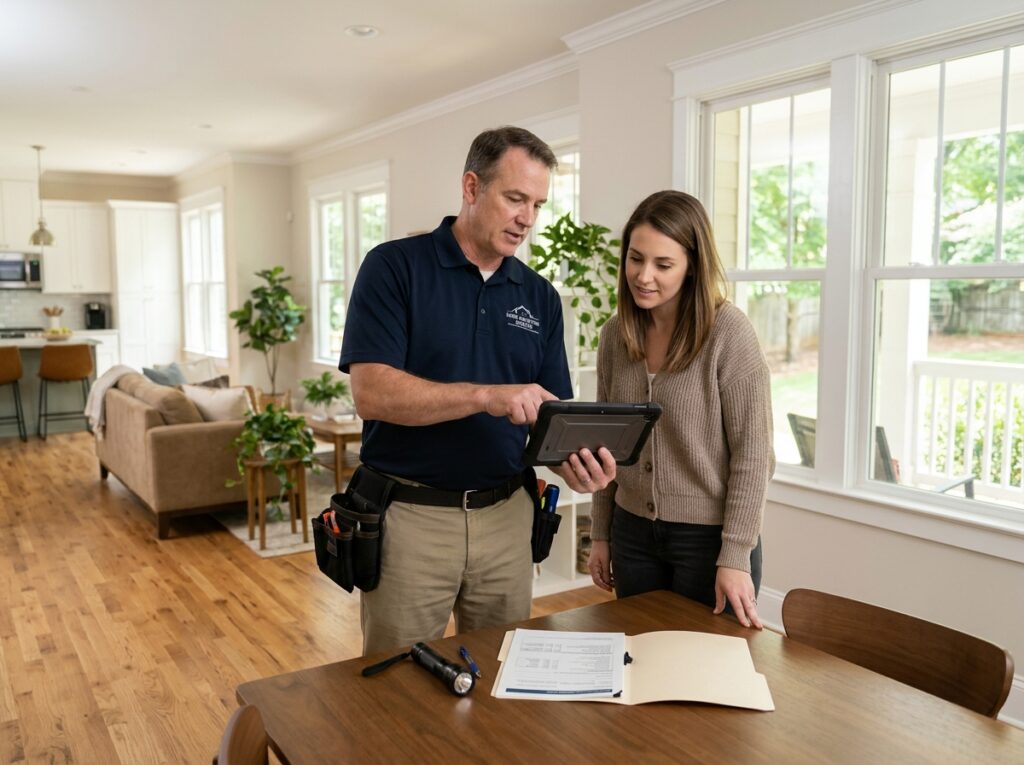
If you are looking for a home inspection near me in Stockbridge, GA, QA Home Inspections can help you discuss the inspection type that fits your property and situation. Visit QA Home Inspections to learn more or arrange an appointment.
Final Thoughts
Knowing what to look for in a home inspection can help you make a more informed property decision. The roof, foundation, electrical system, plumbing, HVAC, attic, exterior, and interior components all deserve attention. Visible warning signs should be discussed with the inspector, and concerns outside the inspection’s scope may require a specialist.
Whether you are purchasing an existing property, reviewing a newly built home, or preparing to sell, a professional inspection provides useful information about accessible conditions and potential maintenance needs.
For buyers and property owners in Stockbridge, GA, QA Home Inspections offers inspection services designed to help you understand a property’s condition with clear reporting and practical explanations.
Frequently Asked Questions
What does a home inspector check during an inspection?
A home inspector generally reviews accessible areas such as the roof, foundation, attic, electrical system, plumbing, HVAC, interior rooms, windows, doors, and exterior components. The exact scope depends on the property and inspection agreement.
Should I get a home inspection before buying a house?
Yes. A pre-purchase inspection can help you understand visible property conditions, identify repair concerns, and plan for potential maintenance before closing.
Are new construction homes worth inspecting?
Yes. Even newly built homes can have installation issues, incomplete work, or visible defects. A new construction inspection can help identify concerns before final acceptance.
What is the difference between a residential and commercial home inspection?
A Residential Home Inspection focuses on a house and its accessible systems and components. A Commercial Home Inspection reviews visible conditions in a commercial property, such as an office, retail space, or other business facility. The scope depends on the building and inspection agreement.
Does a home inspection include termite and radon testing?
Not necessarily. A general inspection may identify visible conditions that suggest further evaluation is needed, but termite inspections and radon testing are typically separate services. Confirm the scope before scheduling.
How do I find home inspections near me in Stockbridge, GA?
Look for an inspector who explains the inspection scope, provides a detailed written report, and communicates findings clearly. You can also search for home inspection services near me and compare local providers before booking.