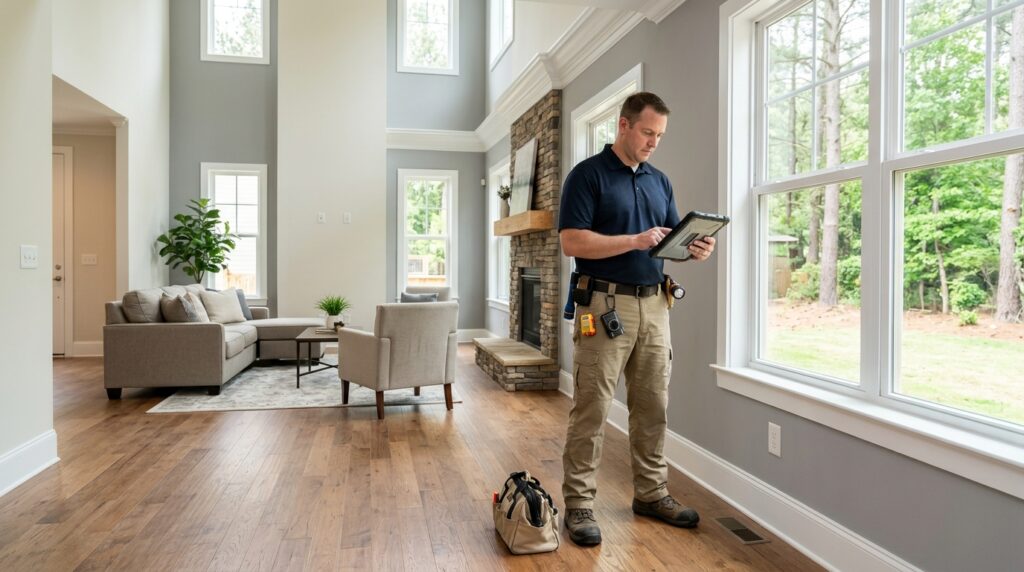
Buying a home is a major financial decision, and understanding the property’s condition before closing can help you avoid unexpected expenses. A professional home inspection gives buyers a closer look at important systems and components, including the roof, foundation, plumbing, electrical system, heating and cooling equipment, and visible structural elements.
One of the first questions buyers ask is: How much does a home inspection cost?
In Stockbridge, Georgia, the price depends on several factors, including the property’s size, age, condition, foundation type, and the scope of the inspection. Additional services such as radon testing, termite inspections, and mold evaluations may increase the total cost.
For buyers and homeowners in Stockbridge, knowing what affects inspection pricing makes it easier to compare quotes and plan a realistic budget. Whether you are purchasing an existing property, building a new home, or preparing to sell, choosing the right inspection can provide useful information about the property’s condition.
In this guide, we explain typical home inspection costs in Stockbridge, what a standard inspection covers, which additional services may cost extra, and how to choose a qualified inspection provider.
How Much Does a Home Inspection Cost in Stockbridge, GA?
A typical home inspection in Stockbridge may cost approximately $300 to $500 for a standard single-family property. This is a general budgeting range, not a fixed local rate or a quote from QA Home Inspections. Actual pricing depends on the property’s size, age, accessibility, and inspection requirements.
Some local pricing estimates place standard inspections closer to the low-to-mid 300s,whileotherAtlanta-areaproviderspublishstartingpricesinthemid-300s and higher. Larger or more complex homes may cost more.
The following table provides a general budgeting guide. These figures are illustrative estimates, not verified prices charged by QA Home Inspections.
| Property or service | General budget estimate |
| Smaller residential property | 250–350 |
| Average single-family home | 300–500 |
| Larger or older home | 450–650+ |
| Radon testing | Additional fee |
| Termite/WDO inspection | Additional fee |
| Mold assessment or testing | Additional fee |
The final cost should be confirmed directly with the inspection company. When requesting a quote, provide the property’s approximate square footage, age, location, and any additional testing requirements.
What Factors Affect Home Inspection Costs?
Not every property requires the same amount of inspection time or effort. Several details can influence the final price.
1. Property Size
Square footage is one of the most common pricing factors. A larger home generally takes more time to inspect because it has more rooms, fixtures, windows, doors, and systems to evaluate.
For example, inspecting a compact home may be less time-consuming than inspecting a large property with multiple floors, several bathrooms, and extensive exterior features.
When comparing home inspection services, ask whether the quote is based on the property’s finished square footage and whether detached structures are included.
2. Age of the Property
Older homes may require additional attention because their components have experienced more years of use. Inspectors may encounter aging electrical systems, plumbing concerns, roof deterioration, outdated materials, or signs of previous repairs.
A property built several decades ago may also have additions or renovations that require careful observation.
This does not mean every older home will cost more to inspect. However, age and complexity can affect the time and scope required.
3. Foundation Type and Accessibility
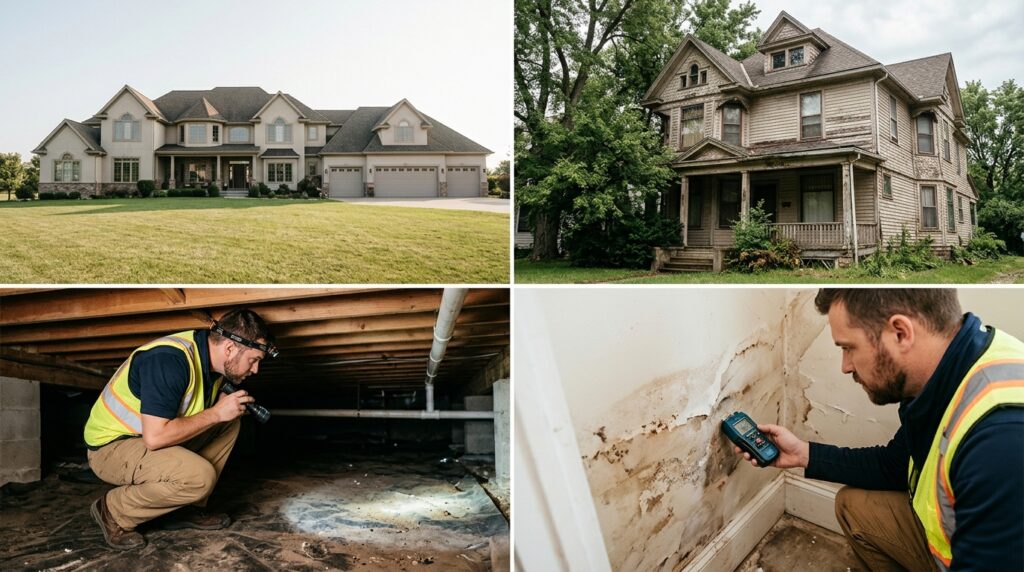
A home with a crawl space or basement may require additional inspection time compared with a property built on a simple slab foundation.
Access conditions also matter. Limited crawl-space clearance, stored belongings, locked areas, or obstructed equipment can restrict what an inspector can examine.
The inspection quote should explain whether accessible crawl spaces, basements, and other areas are included.
4. Property Condition
A home that has been maintained regularly may present different inspection challenges from one with visible deterioration, moisture concerns, or evidence of previous damage.
Inspectors do not determine the complete history of a property, but they evaluate visible and accessible conditions during the inspection.
If the property has unusual features, extensive additions, or areas requiring specialized evaluation, ask whether additional services or a separate specialist may be necessary.
5. Additional Testing
A standard inspection and specialized testing are not necessarily the same service. Radon testing, mold testing, termite inspections, and other evaluations may involve separate equipment, procedures, or qualified providers.
These services can increase the overall cost, so request an itemized quote before scheduling.
What Does a General Home Inspection Include?
A general home inspection is a visual evaluation of accessible property components and systems. Its purpose is to identify observable concerns and provide the client with information about the property’s condition at the time of inspection.
Although the exact scope depends on the agreement and applicable inspection standards, a typical residential inspection may cover the following areas.
Roof and Exterior
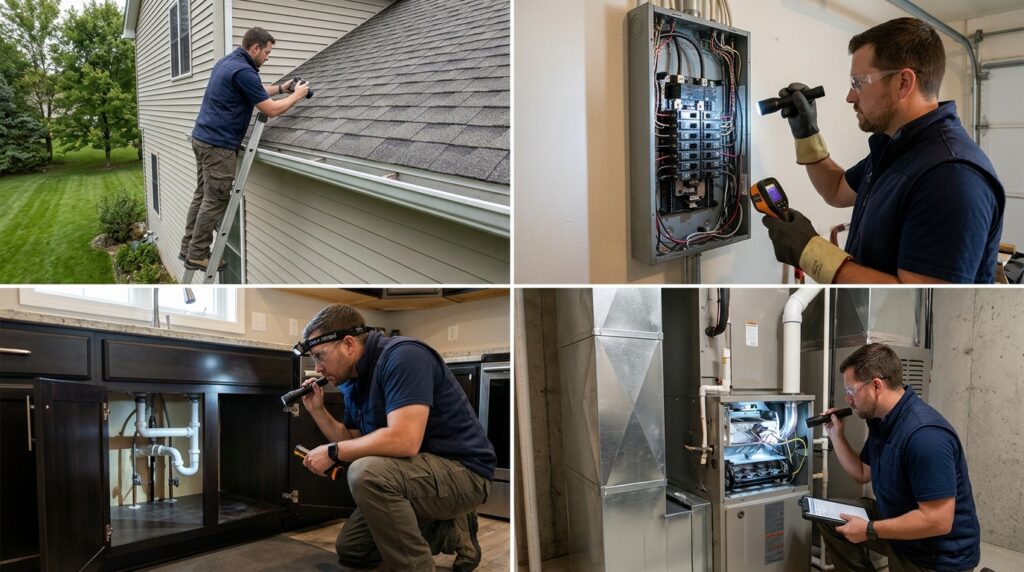
The inspector evaluates accessible roof components and exterior features for visible signs of deterioration or damage. This may include roof coverings, gutters, flashing, siding, exterior doors, windows, and visible drainage conditions.
Roof access depends on safety, design, weather, and accessibility. An inspection should explain any areas that could not be examined.
Foundation and Structure
Visible foundation components, structural elements, floors, walls, ceilings, and other accessible areas may be examined for signs of movement, deterioration, or moisture intrusion.
A general inspection is not the same as an engineering assessment. If significant structural concerns are observed, further evaluation by an appropriate specialist may be recommended.
Electrical System
The inspection may include accessible electrical panels, visible wiring, switches, outlets, and installed fixtures.
Inspectors look for observable safety concerns or defects. They do not necessarily dismantle electrical components or perform a complete electrical engineering evaluation.
Plumbing System
Accessible plumbing components may be checked for visible leaks, water pressure concerns, drainage issues, and the general condition of fixtures and supply lines.
Concealed pipes and inaccessible plumbing areas cannot be fully evaluated through a standard visual inspection.
Heating and Cooling
The heating, ventilation, and air conditioning system may be operated using normal controls when conditions permit. The inspector looks for visible defects and basic operational concerns.
A general inspection does not replace a detailed HVAC service appointment or equipment performance assessment by a specialist.
Interior and Attic
Interior doors, windows, ceilings, walls, floors, stairs, and other accessible features may be reviewed. The attic may also be examined for visible insulation, ventilation, moisture, and roof-structure concerns where access is available.
A written report typically documents observed conditions and may recommend further evaluation when necessary.
Additional Home Inspection Services That May Affect the Price
Some properties require more than a standard inspection. Buyers may choose additional evaluations based on the property’s age, location, visible conditions, or concerns identified during the initial inspection.
Termite Home Inspection
Termites and other wood-destroying organisms can affect wooden structural components and other parts of a property. A termite or wood-destroying organism inspection focuses on evidence of infestation, damage, and conditions that may encourage activity.
In Georgia, buyers may encounter requests for a Wood Infestation Report during a real estate transaction. This is a specialized service and should not automatically be assumed to be included in the general home inspection.
Ask whether the inspection provider offers this service or works with a qualified pest-control professional.
Radon Testing Services
Radon is a naturally occurring radioactive gas that can enter buildings through openings in foundations and other pathways. It cannot be reliably identified by sight or smell, so testing is needed to determine its presence and concentration.
Radon testing services are generally priced separately from a standard home inspection. The cost depends on the testing method, property layout, and required monitoring period.
If you are concerned about radon, ask about the testing procedure and when results will be available.
Mold Home Inspection
Moisture problems can contribute to mold growth in areas such as bathrooms, basements, crawl spaces, attics, and around leaking plumbing.
A visual inspection may identify visible moisture concerns or suspected growth. However, mold sampling and laboratory testing are separate services that may be recommended when appropriate.
A mold home inspection should clearly explain whether it includes visual assessment, air sampling, surface sampling, or another testing method. No visual inspection alone can establish that a property is completely free of mold.
Roof Inspection
The roof is one of the most important parts of a home’s exterior because it helps protect the structure from rain and other weather conditions.
A general home inspection may include an evaluation of accessible roof components. However, a dedicated roof inspection may be useful when there are visible leaks, damaged shingles, aging materials, or concerns that require a more detailed assessment.
A specialized roofing evaluation may involve a roofing contractor and should not be confused with the roof review included in a standard home inspection.
Four-Point Home Inspection
A 4 Points Home Inspection generally focuses on four major areas:
- Roofing system
- Electrical system
- Plumbing system
- Heating and cooling system
This type of inspection is often requested for insurance-related purposes, particularly when an insurer wants information about the condition of these systems.
It is not a complete substitute for a general home inspection because it has a narrower scope. Confirm the insurer’s required form and inspection criteria before scheduling.
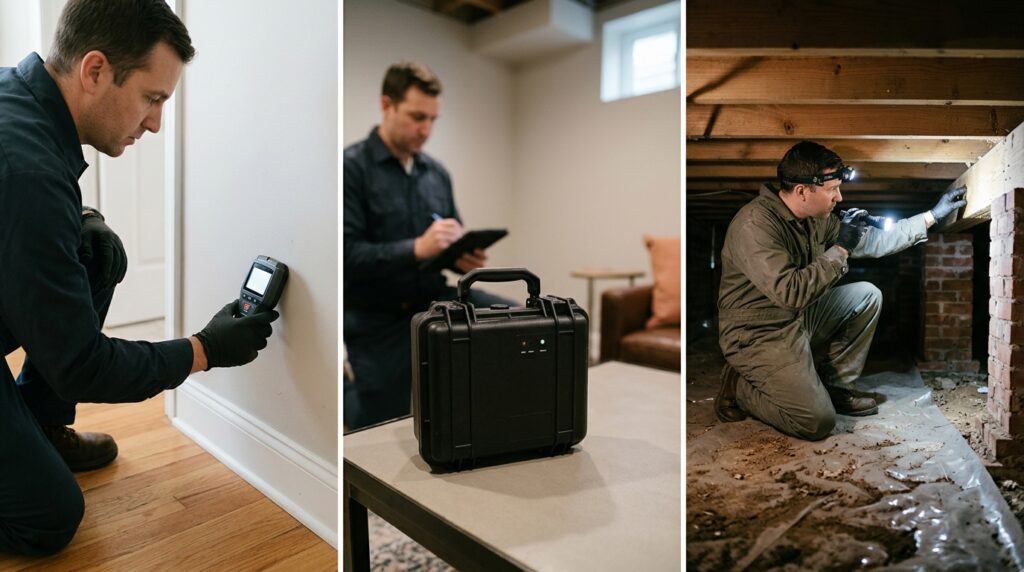
Do New Construction Homes Need an Inspection?
A newly built home may look perfect, but new construction does not guarantee that every component has been installed correctly or that no issues exist.
A new construction home inspection can help buyers identify visible concerns before completing the purchase. Depending on the stage of construction, an inspection may review framing, electrical work, plumbing, roofing, insulation, and other accessible components.
New Construction Inspection
An inspection during construction can help identify concerns before certain areas are covered by drywall or finished materials. The appropriate timing depends on the construction schedule and the agreement with the builder.
Final New Home Inspection
A final inspection takes place when the home is substantially complete. It can help identify visible defects, incomplete work, damaged finishes, and operational concerns before closing.
Builder Warranty Inspection
A warranty inspection is often scheduled before the builder’s warranty period expires. It gives homeowners an opportunity to document visible concerns that may need attention.
The cost of new home inspections varies with the property’s size, construction stage, and inspection scope. Buyers should ask whether separate construction-phase visits are priced individually.
What Is a Pre-Listing Home Inspection?
A Pre Home Inspection is an inspection arranged before a property is officially listed for sale. Sellers use this opportunity to learn about visible property conditions before potential buyers begin their own due diligence.
A Pre Listing Home Inspection may help sellers:
- Identify visible maintenance concerns.
- Understand the condition of major home systems.
- Plan repairs before listing.
- Prepare for questions from potential buyers.
- Make more informed decisions about property disclosures.
A pre-listing inspection does not guarantee that a buyer’s inspection will uncover no additional issues. It is also not a replacement for required disclosures or specialist evaluations.
For sellers in Stockbridge, arranging an inspection early can provide time to consider repairs and organize relevant maintenance records.
Residential Home Inspection vs. Commercial Home Inspection
The type of property being inspected also affects the scope, time, and cost of the service.
Residential Home Inspection
A Residential Home Inspection focuses on a house, condominium, or similar residential property. It commonly covers accessible structural components, roofing, electrical systems, plumbing, HVAC equipment, and interior and exterior features.
The price generally depends on the home’s size, age, accessibility, and inspection requirements.
Commercial Home Inspection
A Commercial Home Inspection involves a non-residential property, such as an office, retail building, or other business premises.
Commercial buildings can have more complex systems, different construction types, larger floor areas, and specialized equipment. The scope must be defined according to the property and the client’s needs.
Commercial inspection pricing is usually more project-specific than a standard residential inspection. It may require additional expertise or specialist evaluations.
If you are purchasing a commercial property, confirm that the inspection provider has experience with the building type and the systems that need to be evaluated.
How to Choose the Right Home Inspection Company in Stockbridge
Finding a reliable inspection provider is about more than comparing the lowest quote. The quality of the inspection, clarity of the report, communication, and experience with the property type all matter.
If you are searching for home inspection near me, home inspections near me, or home inspection companies near me, consider these points before making a decision.
- Review the inspection scope: Confirm which systems and areas are included and which services cost extra.
- Ask about experience: Look for experience with properties similar in age, size, and construction.
- Request a sample report: A clear report should explain observations and identify areas that may need further evaluation.
- Confirm additional services: Ask whether termite, radon, mold, or other testing is available and whether it is performed separately.
- Discuss timing: Confirm how long the inspection is expected to take and when the report will be delivered.
- Understand limitations: Ask how inaccessible areas and components that cannot be operated are documented.
When comparing home inspection services near me, make sure you are comparing similar inspection scopes. A lower price may not include the same areas or additional testing as another company’s quote.
QA Home Inspections serves as the inspection company featured in this guide. If you are buying, selling, or maintaining a property in Stockbridge, GA, contact QA Home Inspections directly to discuss the property, confirm available services, and request current pricing. Do not assume specialized testing is included unless it is listed in your quote.
How to Prepare for a Home Inspection
A little preparation can help the inspection process go more smoothly.
- Make sure the inspector has access to the property and agreed inspection areas.
- Unlock gates, garages, and other accessible spaces.
- Keep access to electrical panels, water heaters, and HVAC equipment clear.
- Secure pets during the inspection.
- Provide information about known leaks, repairs, or system issues.
- Confirm that utilities are available when required for the inspection.
Buyers should also consider attending the inspection if the provider permits it. Being present can help you understand the inspector’s observations and ask questions about maintenance and recommended follow-up.
Is a Home Inspection Worth the Cost?
A home inspection is an additional expense during an already expensive real estate transaction. However, it can provide valuable information before you commit to purchasing a property.
An inspection may identify visible concerns involving roofing, plumbing, electrical systems, heating and cooling equipment, drainage, or structural components. Knowing about these conditions can help buyers decide whether to request repairs, seek specialist evaluations, reconsider their budget, or proceed with the purchase.
An inspection cannot predict every future problem or guarantee that a home has no defects. It is a visual evaluation of accessible areas at a particular point in time.
Still, the information in a well-prepared report can help buyers make more informed decisions and plan for future maintenance.
Final Thoughts
The cost of a home inspection in Stockbridge, GA, depends on the property’s size, age, condition, and the services you need. A general inspection may fit within a budget of approximately $300 to $500, while larger properties and additional evaluations can increase the total.
Before choosing an inspection company, compare the scope of each quote, ask about specialized testing, and review the reporting process. A thorough inspection can help you understand a property’s visible condition and make more informed real estate decisions.
Whether you need a general inspection, a new construction evaluation, or additional testing, QA Home Inspections can be contacted to discuss your property and available inspection options in Stockbridge, GA.
Frequently Asked Questions
1. How much does a home inspection cost in Stockbridge, GA?
A standard residential home inspection may cost approximately $300 to $500, depending on the property’s size, age, condition, and accessibility. Additional testing can increase the total. Request a property-specific quote for accurate pricing.
2. How long does a general home inspection take?
Many standard residential inspections take approximately two to four hours. Larger homes, older properties, and homes with complex layouts may require more time.
3. Does a home inspection include termite testing?
Not necessarily. A general home inspection may identify visible signs of wood damage or possible pest activity, but a formal termite or wood-destroying organism inspection is generally a separate service.
4. Should I get a home inspection for a newly built house?
Yes. New construction can still have installation issues, incomplete work, or visible defects. An inspection can help identify concerns before closing or during the builder’s warranty period.
5. What is the difference between a home inspection and a 4-point inspection?
A general home inspection evaluates multiple accessible areas and systems throughout the property. A 4-point inspection focuses specifically on the roof, electrical, plumbing, and HVAC systems, often for insurance purposes.
6. Is a roof inspection included in a general home inspection?
A standard home inspection generally includes an evaluation of accessible roof components. A separate roof inspection may be needed when a more specialized assessment is required.
7. Can a home inspection find mold?
An inspector may identify visible mold-like growth or moisture conditions that could contribute to mold. Confirming mold through sampling or laboratory analysis may require a separate testing service.